How I stayed calm when I lost my keys
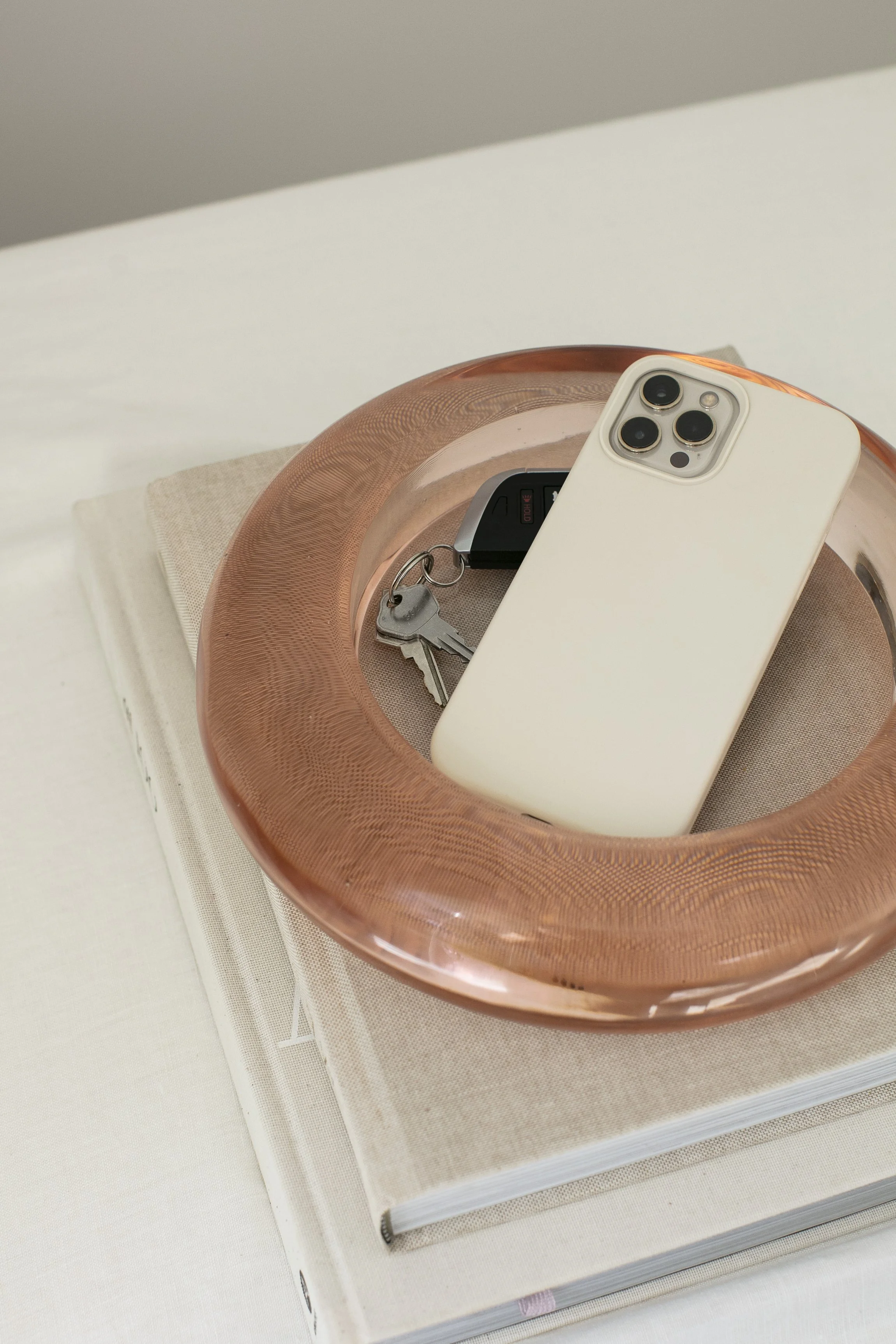
Earlier this week I lost my keys... 🔑 🤦🏻♀️
And while it easily could have turned into one of those stressful, spiraling, “everything is a problem” moments… I recognized it as something else.
This is exactly the kind of situation all of the work I’ve done around stress management, resilience, and nervous system regulation is for.
Not when things are calm and easy, but in the moments that don’t go as planned.
So as I moved through it, I started noticing the small decisions I was making in real time… and how much they were shaping the experience for the better.
I wanted to share it with you, because these are the kinds of moments we all face. And they can either pull us deeper into stress… or become an opportunity to move through things differently. (And potentially come out even better on the other side!)
The moment it happened
It was Sunday evening and I lost my keys, most likely in the park. But here's the kicker, the only spare set that existed... was inside my apartment.
My brain immediately jumped to what that could mean—a locksmith, drilling the lock, and an unexpected expense.
Instead of letting that spiral, I paused and asked myself:
Am I safe?
Am I actually okay right now?
The answer was yes. And that alone softened the intensity. It reminded my body that this wasn’t a true emergency, just something to figure out.
Retracing my steps
I had walked 6,000+ steps, and I knew the likelihood of finding them was incredibly low.
Still, I went back to the store I had been in, checked the dressing room, left my number, and then started retracing my (many) steps.
Being in nature and walking are two of the most effective ways to keep the nervous system grounded, helping me stay connected to my body and out of a mental spiral.
Plus, I also knew that if I didn’t find them, I would at least know I had done everything I could before moving on to the locksmith step.
Remembering my options
As I neared the end of my retracing and I still hadn’t found them, I started listing my options:
Neighbors who could help get me into the building
Friends I could stay with
Having access to money since I had my phone.
The more I named what was available to me, the less urgent everything felt. It shifted me out of “I’m stuck” and back into “I have choices.”
Letting myself be supported
At this point I noticed an old pattern I'd been functioning from. So far my instinct had been to handle everything on my own.
So I chose differently and immediately reached out to my neighbors.
Letting myself be supported changed the experience immediately. It reminded me I didn’t have to carry it all by myself.
The urgency moment
At this point it was time to start Googling locksmiths. Many were already closed. One was closing at 6pm—it was 5:59.
I could feel the sense of panic spike, like I might lose my options if I didn’t act fast. So in that moment, I reacted quickly to secure someone.
Looking back, that pressure came from the feeling of losing options. Lack immediately triggers the survival brain into action, cutting off our ability to see possibilities and choices that are still there.
When things didn’t match my expectations
When the locksmith arrived, he gave me a price that was much higher than what I had been quoted on the phone.
Instead of defaulting to victim mode and just "dealing with it", I spoke up, questioned it, and stayed in the conversation until we landed on something that felt manageable.
Even in a slightly uncomfortable interaction, I was still able to advocate for myself.
Choosing not to rush
Once I got inside, he actually pointed out that I didn’t need to fix the lock immediately, that it was an option to wait and decide later.
And I took that option.
Instead of rushing to finish everything in one go, I let myself pause again and give the decision more space. I knew my personal preference would be to move slower even if that meant extending the situation into the next day.
Coming back with clarity
The next morning, I revisited everything.
I explored my options, asked researched and informed questions, and chose someone local who felt trustworthy and offered a fair price.
From that place, the decision felt simple, clear, and much more empowering.
Throughout this experience, I found myself noticing a specific thread:
All the ways the situation was better than it could have been.
The neighbors I could text.
The people who would have said yes if I needed a place to stay.
The fact that I had the money to handle it.
There was once a version of me who didn’t have all those things.
But now I do.
That’s what stayed with me most.
Not that I lost my keys, but how I moved through it and the blessings I could stay connected to, including that it was an opportunity to build my resilience.
Because resilience isn’t built when everything goes right.
It’s built in the moments that don’t.
When you stay with yourself, keep your perspective, and remember your options.
There’s a quote I heard recently:
“Healing doesn’t happen alone. It happens in community.”
And I would add to that...
Resilience is built the same way.